Po-An Chen

Avian Behavioral Ecologist

Informationscape Ecology · Animal Communication

I investigate how information connects animals with their ecological and social environments—from the cues and signals they produce to the ways they use information to make decisions and interact with others.

PhD Candidate School of Natural Resources and Environment Department of Wildlife Ecology and Conservation University of Florida
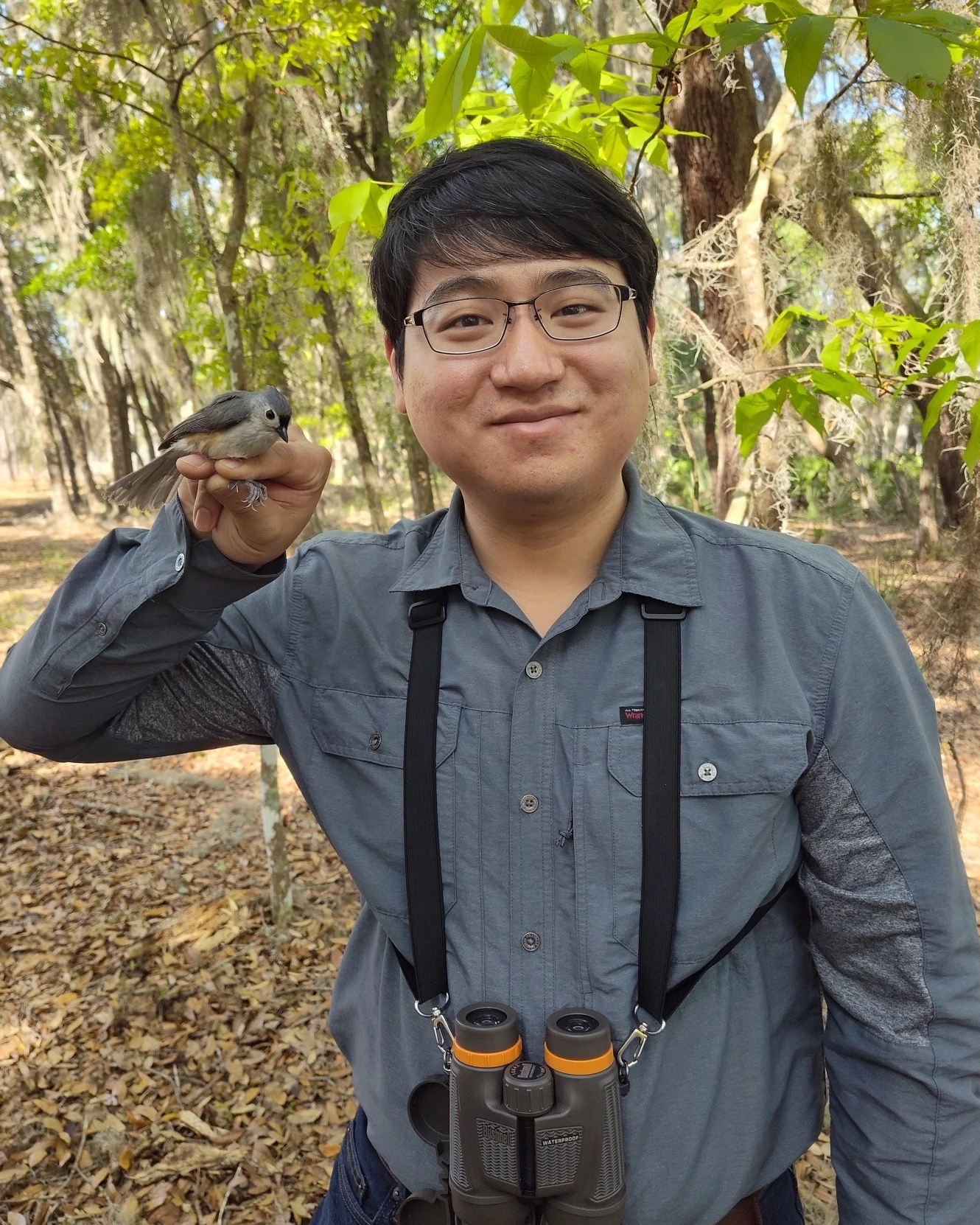
Po-An Chen standing in a wooded field site while holding a small bird, with binoculars around his neck.

About Me

I am a PhD candidate in the School of Natural Resources and Environment and the Department of Wildlife Ecology and Conservation at the University of Florida, advised by Dr. Kathryn E. Sieving. My research focuses on how animals produce, exchange, and use information within dynamic ecological and social environments.

Much of my current work uses birds—particularly chickadees, titmice, and their associated communities—as study systems for understanding how vocal communication and social information shape decision-making. I combine field experiments, behavioral observations, autonomous acoustic monitoring, and quantitative analyses to examine both sides of information exchange: how environmental and social conditions shape the signals animals produce, and how those signals in turn influence the behavior of others.

More broadly, I am interested in how information moves through ecological communities and how these information landscapes shape interactions among individuals, species, and their environments.
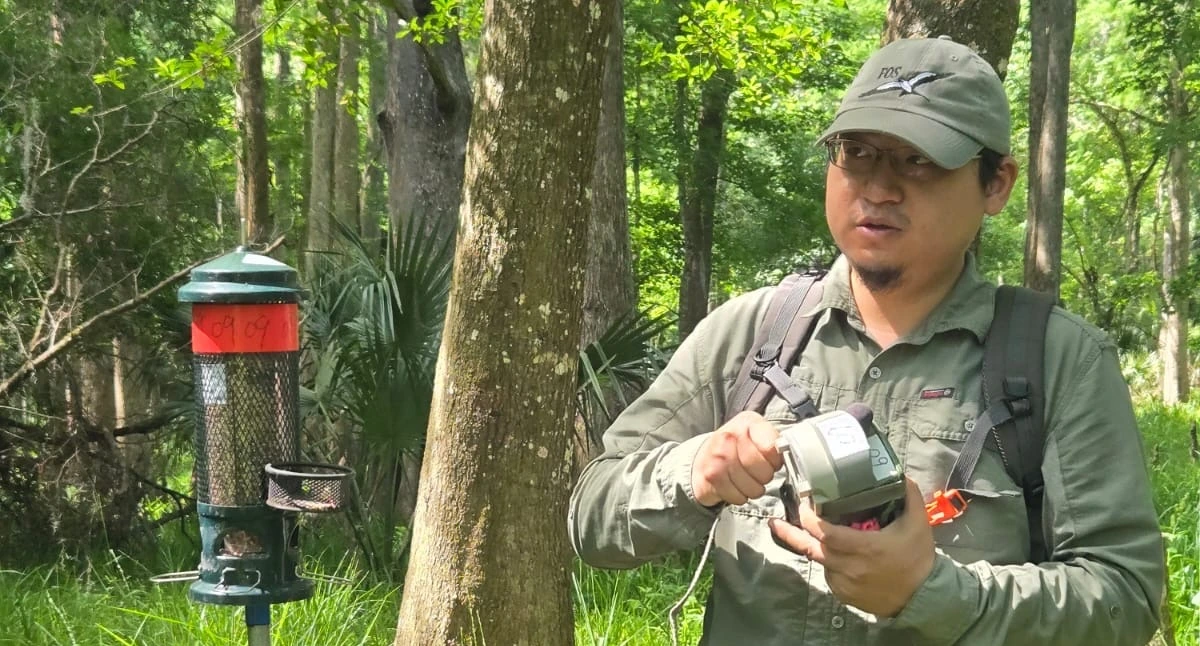
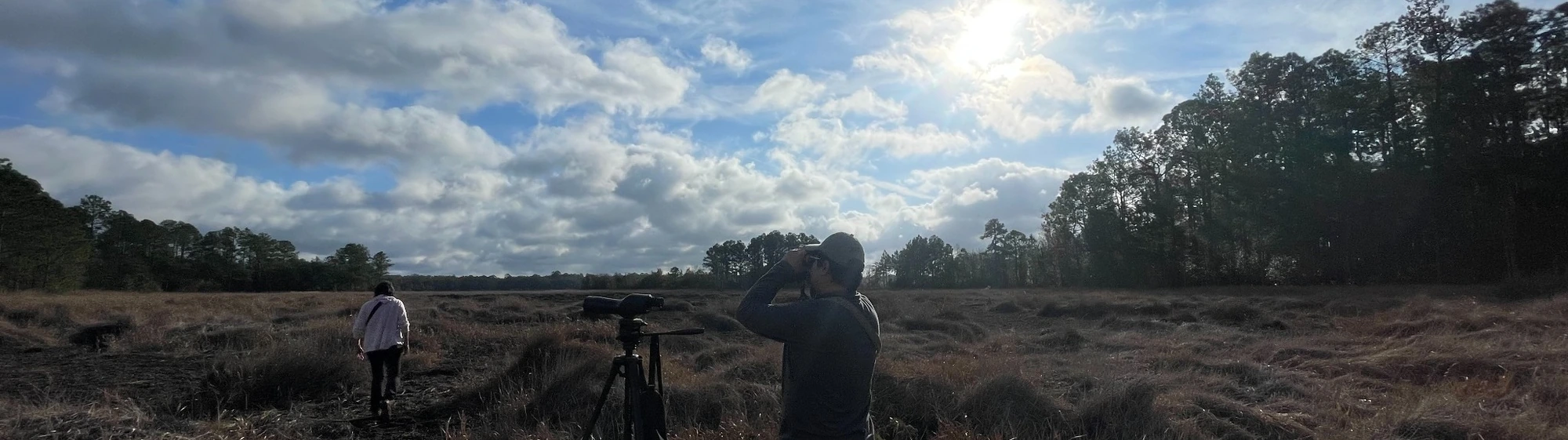
Po-An Chen working beside an experimental bird feeder in a wooded field site. Field observation in an open landscape beneath a broad sky.

Current Doctoral Research

My doctoral research examines how birds produce, update, and use information as ecological and social conditions change. Across a series of field experiments, I study Tufted Titmice and Carolina Chickadees in feeder-based systems to connect information gathering and production with how both signalers and receivers use information to guide behavior.

Study system: Tufted Titmice, Carolina Chickadees, and associated heterospecifics

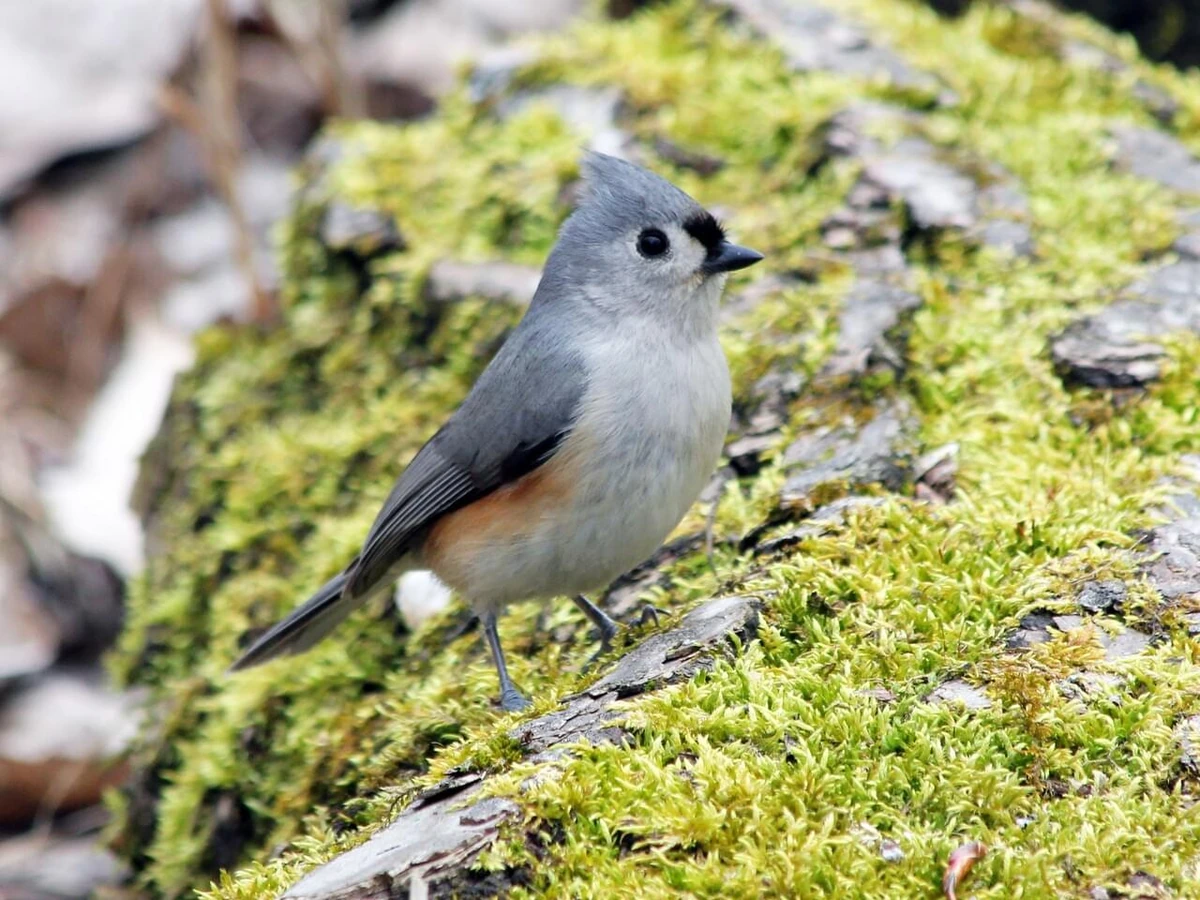
Tufted Titmouse perched on a mossy surface.
Tufted TitmouseBaeolophus bicolorPhoto credit: Jesse White / Macaulay Library
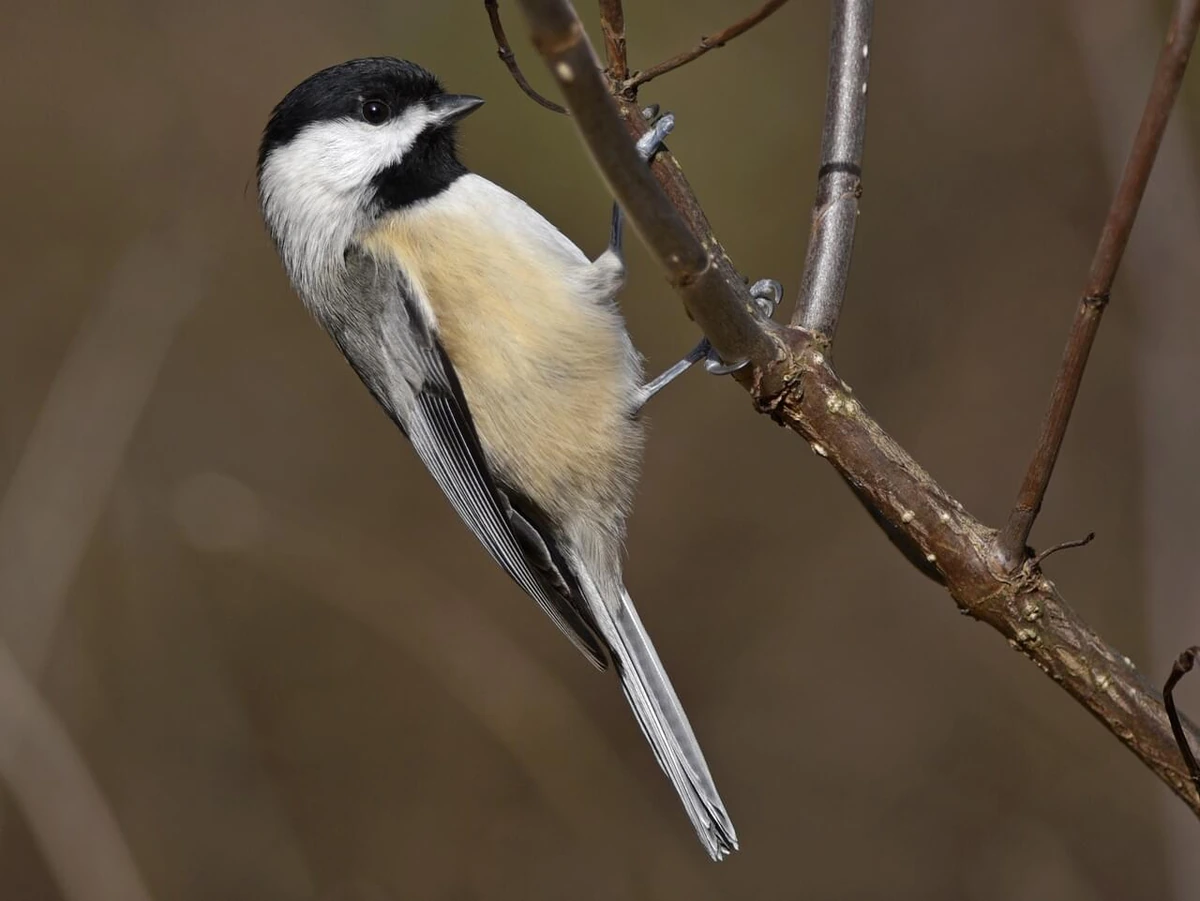
Carolina Chickadee perched on a branch.
Carolina ChickadeePoecile carolinensisPhoto credit: Daniel Irons / Macaulay Library
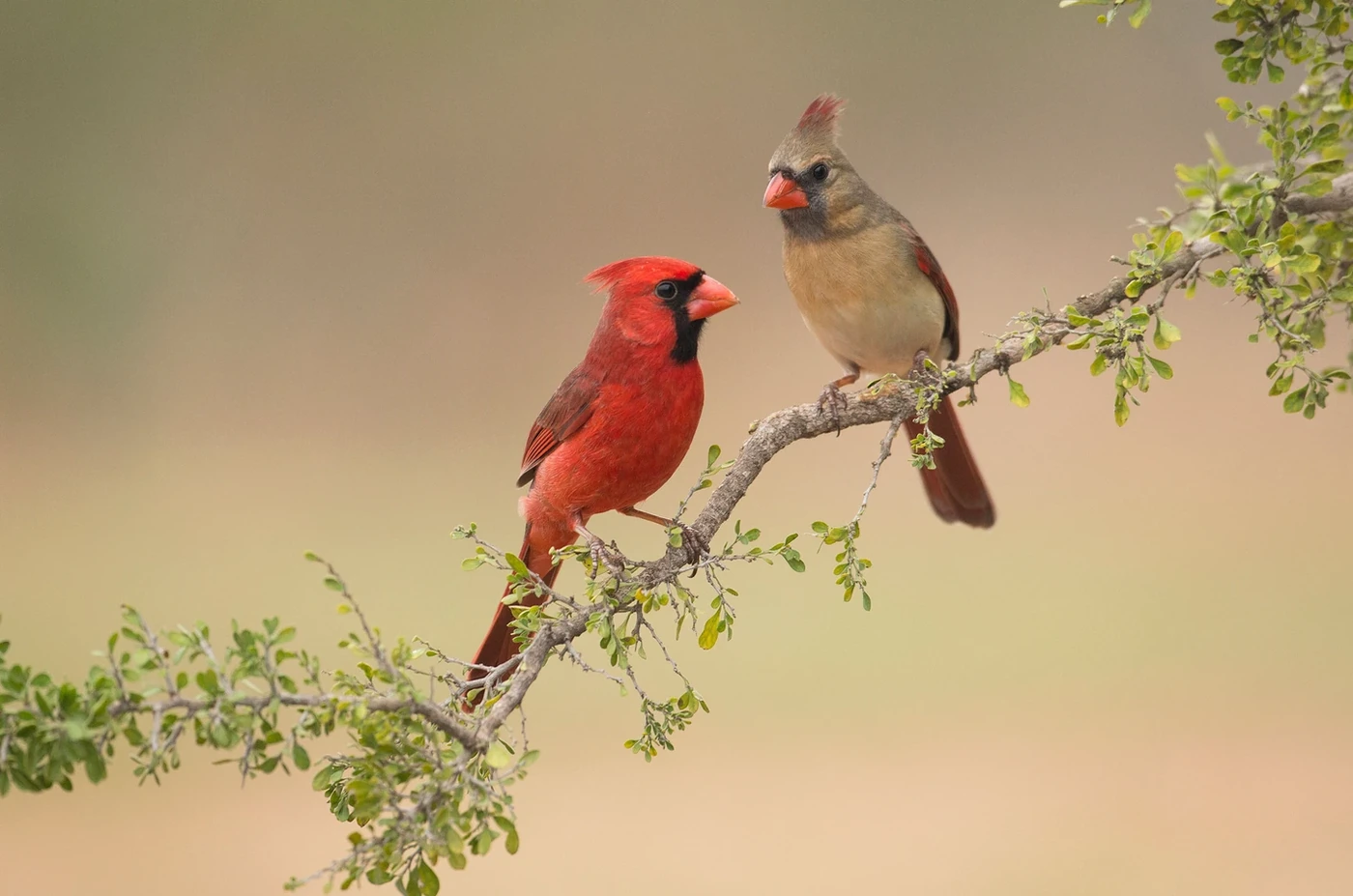
Male and female Northern Cardinals perched together on a branch.
Northern CardinalCardinalis cardinalisPhoto credit: Carole Wiley / Audubon Photography Award
01

Vocal Signatures of Information Updating

Information UpdatingInformation GatheringTemporal Dynamics

I investigate how parid vocalizations reflect information gathering and updating as foraging events unfold. By tracking changes in vocal production through time, I ask whether vocal behavior provides a window into how titmice and chickadees continually reassess their foraging environment.

Click or tap to enlarge
02

Food Quality & Parid Vocal Behavior

Food QualityResource AssessmentInformation Production

I experimentally manipulate food quality at feeders to test whether parids alter their foraging-related vocal behavior. This work examines how resource conditions shape information production and what those vocal changes may convey to nearby birds.

Click or tap to enlarge
03

Perceived Competition & Parid Vocal Behavior

Perceived CompetitionSocial AudienceInformation Production

Using experimental playbacks to manipulate perceived competition, I test how the social audience influences parid vocal behavior at feeders. This work examines whether birds adjust the information they produce when they perceive potential competitors nearby.

Click or tap to enlarge
04

Social Information & Feeder-Foraging Behaviors

Social InformationSentinel SpeciesInformation Use

I test how social information about safety and risk from Tufted Titmice influences feeder use by titmice themselves and by heterospecifics, including Carolina Chickadees and Northern Cardinals. By comparing acoustic cues with the actual presence of Tufted Titmice, I examine how communicated information and immediate social context shape foraging behaviors.

Click or tap to enlarge

Earlier Research · Taiwan

Bird–Agriculture Interactions in Taiwan

For my master’s research, I studied habitat use by granivorous birds and their relationship to rice-grain damage in natural farming fields in Wufeng District, Taichung, Taiwan. I combined bird surveys with assessments of crop damage across field contexts to examine how birds use agricultural landscapes and how that use relates to crop loss, with the Eurasian Tree Sparrow (Passer montanus) as a major focal species.

This work introduced questions that continue to shape my research: how animals respond to spatially and temporally variable resources, how their behavior connects them to broader ecological systems, and how behavioral ecology can inform wildlife management and conservation.

Master's ThesisThe study of habitat utilization for granivorous birds and their impacts on the rice grain damage in a natural farming field at Wufeng District in Taichung City
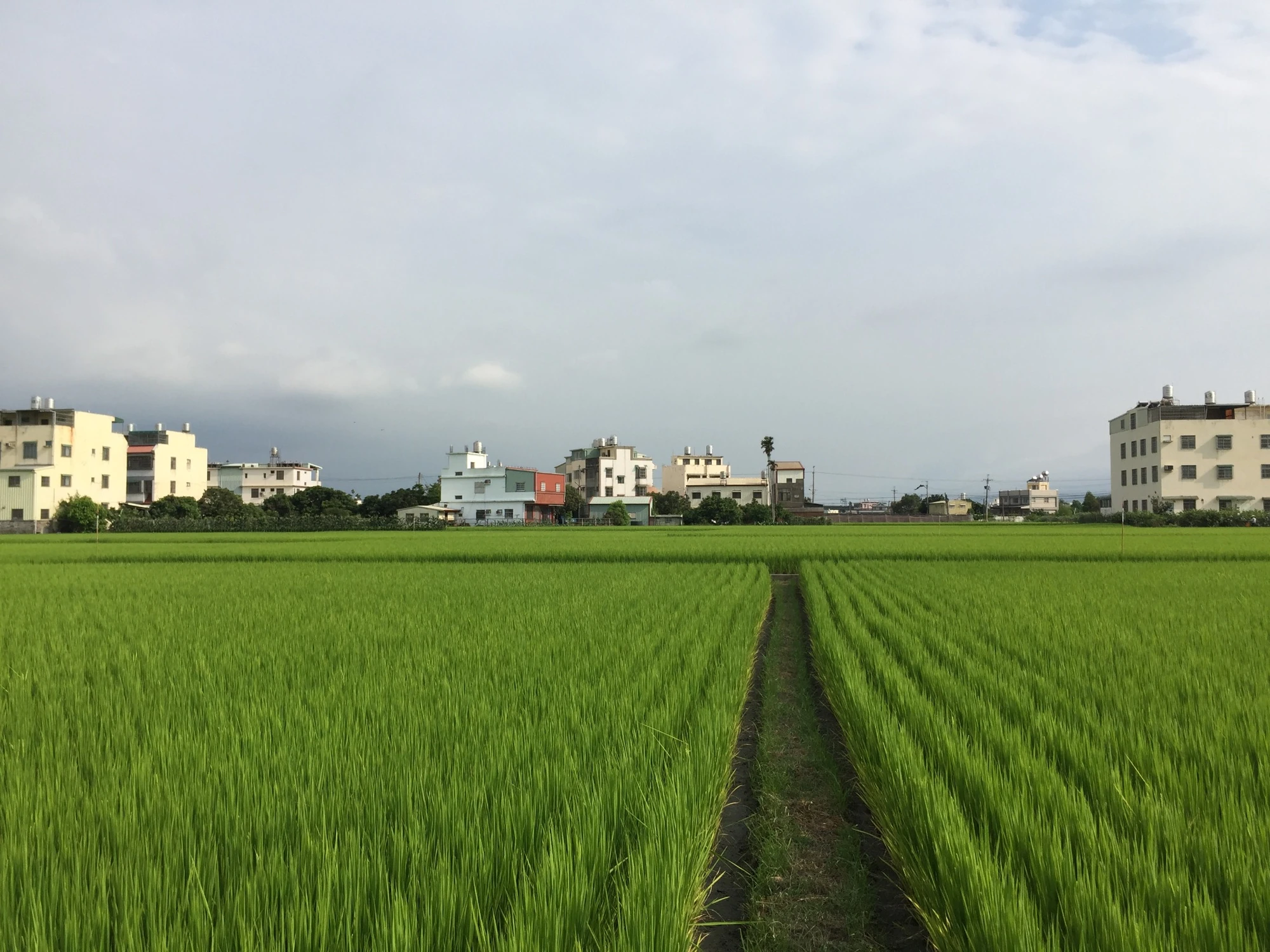
Natural-farming rice fields in Wufeng District, Taichung, Taiwan.
Study landscape: natural-farming rice fields in Wufeng District, Taichung, Taiwan.
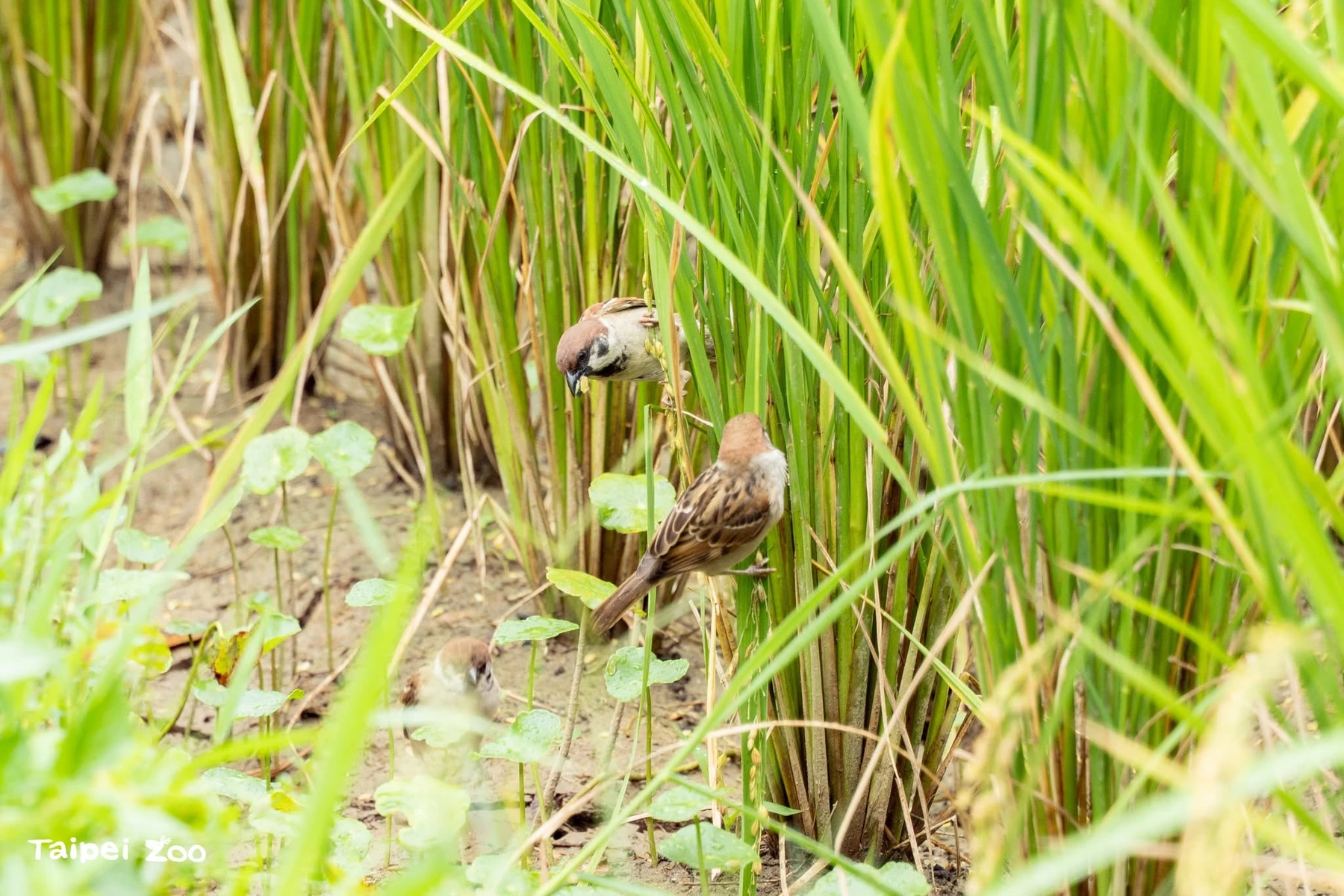
Eurasian Tree Sparrows feeding among rice plants.
Eurasian Tree Sparrows (Passer montanus) feeding on rice grains in the field. Photo credit: Taipei Zoo.

Publications & Presentations

Research outputs from my doctoral and earlier work in animal behavior, communication, and ecology.

Publications

Manuscript in preparation

Martin, N. W., Howell, S., Chen, P. A., St. Mary, C., & Sieving, K. E. Freeze, flee, or fact-find: Modeling avian cognitive-mechanistic responses to heterospecific alarm calls while foraging.

Presentations

  1. Chen, P. A. & Sieving, K. E. (2026, July). Listening for Food Quality: Species-specific vocal responses in Carolina chickadees and Tufted titmice [Oral presentation]. 2026 Animal Behavior Society Annual Meeting, Cincinnati, OH, USA.
  2. Chen, P. A. & Sieving, K. E. (2025, July). Chatter Matters: Parid Calls Reveal Dynamic Information Sampling at Feeders [Poster presentation]. 2025 Animal Behavior Society Annual Meeting, Baltimore, MD, USA.
  3. Chen, P. A. & Sieving, K. E. (2024, October). Seets and dees: Exploring the food-related vocalizations of the Tufted Titmouse (Baeolophus bicolor) and the Carolina Chickadee (Poecile carolinensis) [Poster presentation]. 2024 American Ornithological Society Annual Meeting, Estes Park, CO, USA.
  4. Chen, P. A. & Sieving, K. E. (2023, November). Are social birds talking about food? Food-related vocalizations of Tufted Titmouse (Baeolophus bicolor) [Oral presentation]. Fall 2023 Florida Ornithological Society Meeting, St. Petersburg, FL, USA.
  5. Chen, P. A. (2022). Influence of food quality and audience effects on functionally referential food calls in Paridae - a brief prospectus. [Invited speaker]. ERASMUS+ Exchange Program, Faculty of Biology, University of Latvia.
  6. Chen, P. A. & Yo, S. P. (2019, January). The study of habitat utilization for granivorous birds and their impacts on the rice grain damage in a natural farming field at Wufeng District in Taichung City [Poster presentation]. 2019 Congress of Animal Behavior and Ecology, Taipei City, Taiwan.
  7. Lin, J. W., Luo, C. H., Lee, K. H., Tseng, W. H., Chen, P. A., & Lin, S. M. (2013, January). Costs of Being Charming: Tests of the Immunocompetence Handicap Hypothesis in Takydromus viridipunctatus [Poster presentation]. 2013 Symposium on Animal Behavior and Ecology, Hualien County, Taiwan.

Teaching & Mentoring

I approach teaching and mentoring as complementary parts of scientific training—helping students develop the knowledge, skills, independence, and confidence to ask meaningful questions and engage thoughtfully with science.

Teaching

My teaching focuses on helping students connect ecological and behavioral concepts with the process of doing science. I use active and inquiry-based learning, real data, field and applied examples, and collaborative problem-solving to build skills in observation, quantitative analysis, critical thinking, and scientific communication. I also aim to create an inclusive learning environment where students can bring different perspectives to complex ecological and conservation questions.

Teaching Experience

University of FloridaGraduate Teaching Assistant · 2021–2026

  • WIS4570C · Wildlife Behavior and Conservation
    Fall 2021; Fall 2023–2025
  • WIS2040 · Wildlife Issues
    Summer 2026
  • WIS2552 · Biodiversity Conservation: Global Perspectives
    Summer 2026
  • IDS2935 · Why Maps Matter
    Spring 2024–2025
  • WIS4547C · Avian Field Research
    Spring 2023
  • WIS3401 · Wildlife Ecology and Management
    Fall 2022

National Chung Hsing UniversityGraduate Teaching Assistant · 2015–2018

  • Laboratory in Ornithology 2015–2018
  • Ecological Impact Analysis 2017

Mentoring

I approach mentoring as a collaborative process built on trust, communication, and shared growth. I aim to create a supportive environment where students feel comfortable asking questions, exploring ideas, and taking increasing ownership of their work. My approach adapts to each student’s experience and goals—from providing structure and regular feedback for those new to research to fostering critical thinking and scientific independence as they progress. I also emphasize responsible research practices, scientific integrity, and the broader impacts of science.

Mentoring Experience

Student Science Training Program (SSTP)University of Florida · 2024

Mentored two high school students in acoustic data processing, data management, statistical analysis, and scientific presentation.

Teaching & Mentoring Development

  • Great Teaching CertificateUniversity of Florida Center for Teaching Excellence · 2025
  • CIRTL Associate CertificateUniversity of Florida Center for Teaching Excellence · 2025
  • Inclusive Mentoring Academy in Graduate Education (IMAGE)University of Florida Center for Teaching Excellence · 2025

Curriculum Vitae

For a complete record of my education, research experience, publications and presentations, teaching, mentoring, and professional development, please view or download my CV.

Research Profiles

Interested in connecting?

I welcome conversations about avian behavioral ecology, animal communication, informationscape ecology, research collaborations, and related opportunities.

Po-An Chen PhD Candidate School of Natural Resources and Environment Department of Wildlife Ecology and Conservation University of Florida Email poanchen@ufl.edu